The worst camera to bring to a concert
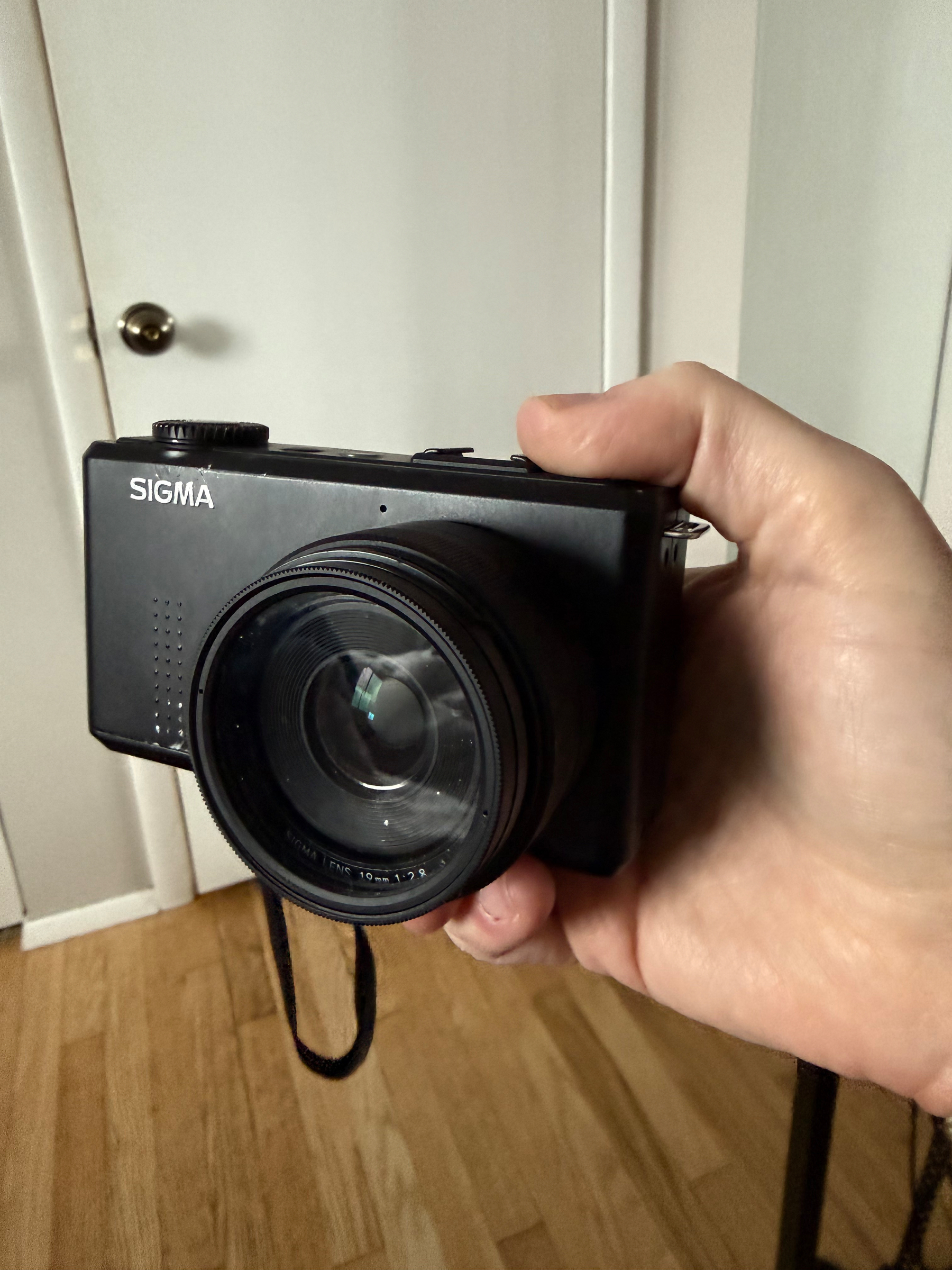
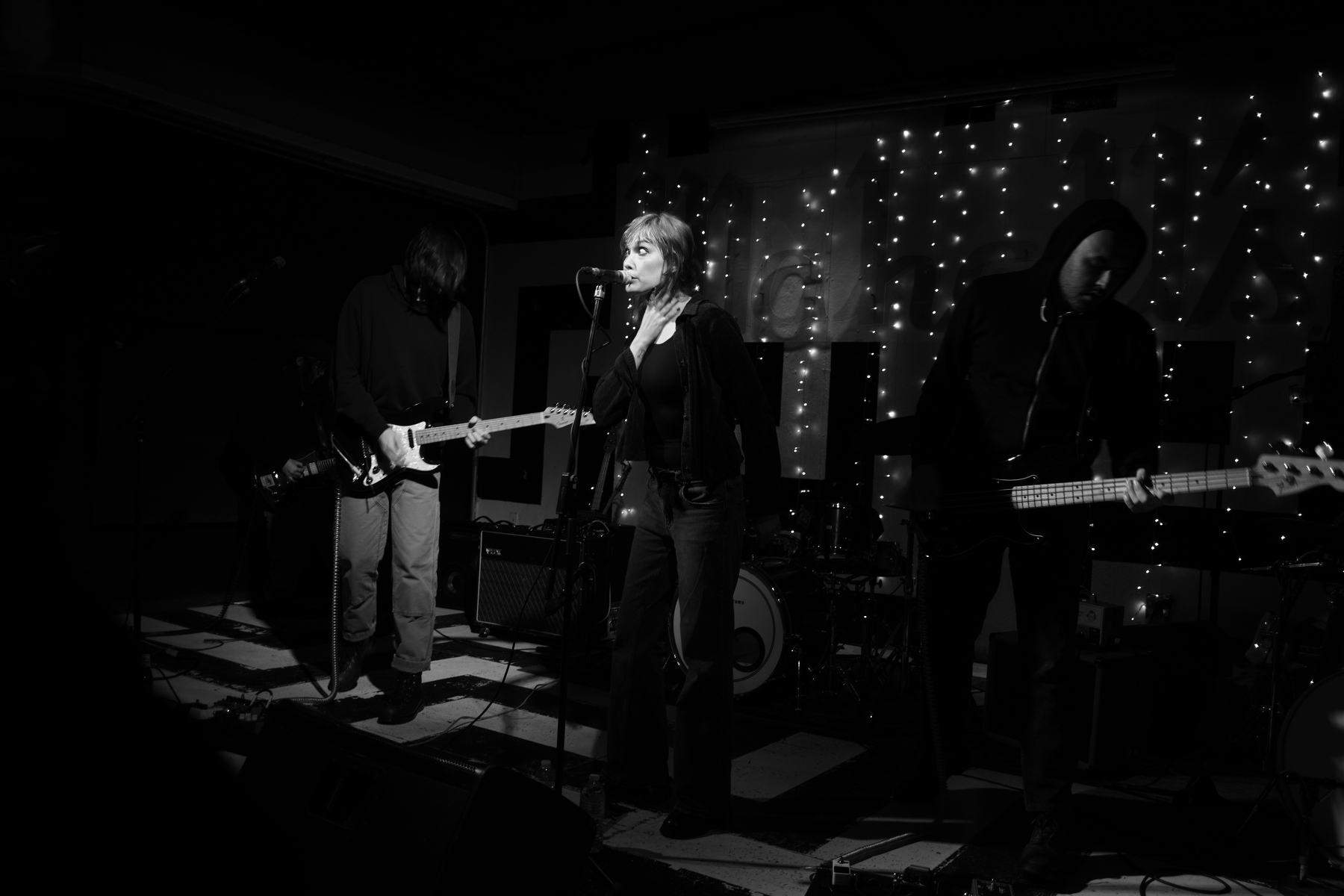
I’ve recently started taking my Sigma DP1 Merrill to concerts. It’s just about the worst option from a technical standpoint. It really can only shoot at ISO 100 before the image starts to degrade. It has a fixed 28mm equivalent f2.8 lens, which is neither fast enough to compensate for the low ISO nor gets you close to the action unless you’re on top of the stage.
And yet, I keep bringing it. It helps that it’s the only really pocketable(ish) digital camera I have. I’ve brought my much more appropriate Sony A7r2 to shows, and while it is leagues better, it’s kind of a pain. You really need to bring a dedicated bag for it. But the Sigma I can either have it hang off my wrist or awkwardly put it in a back pocket.
Shooting with it is… an adventure. Even with good stage lighting, you’ll never be shooting faster than 1/50th of a second. The quiet leaf shutter makes it easier to hold steady at slow speeds, but that only goes so far. The autofocus in good light isn’t great, and in dark venues, you’re 100% guessing. The back display resolution is also not high enough to judge focus. There have been plenty of shots I thought I didn’t get, only to get hope and they are perfectly sharp.
Despite being terrible for the task at hand, the little DP1 is fun to bring to shows. In some ways, the limitations means I don’t have to worry much, there aren’t many settings I can change, there isn’t much skill to apply that can improve the output, and despite all that I still get some fun results. I just need to get a better flash. I bring my tiny Reflx Labs flash, but once you’re outside of 10 feet it really runs out of juice. Not sure if there’s anything that’s still pocketable that will be better.


Fujifilm pioneers analog-gated DRM
When Fuji announced the Instax Mini Evo Cinema, I thought it was just another retro hardware take on their digital camera-instant photo printer concept. I have a regular retro Evo camera, it’s aggressively fine with a cute retro design. But after watching the review on In An Instant, I now appreciate its utter insanity.
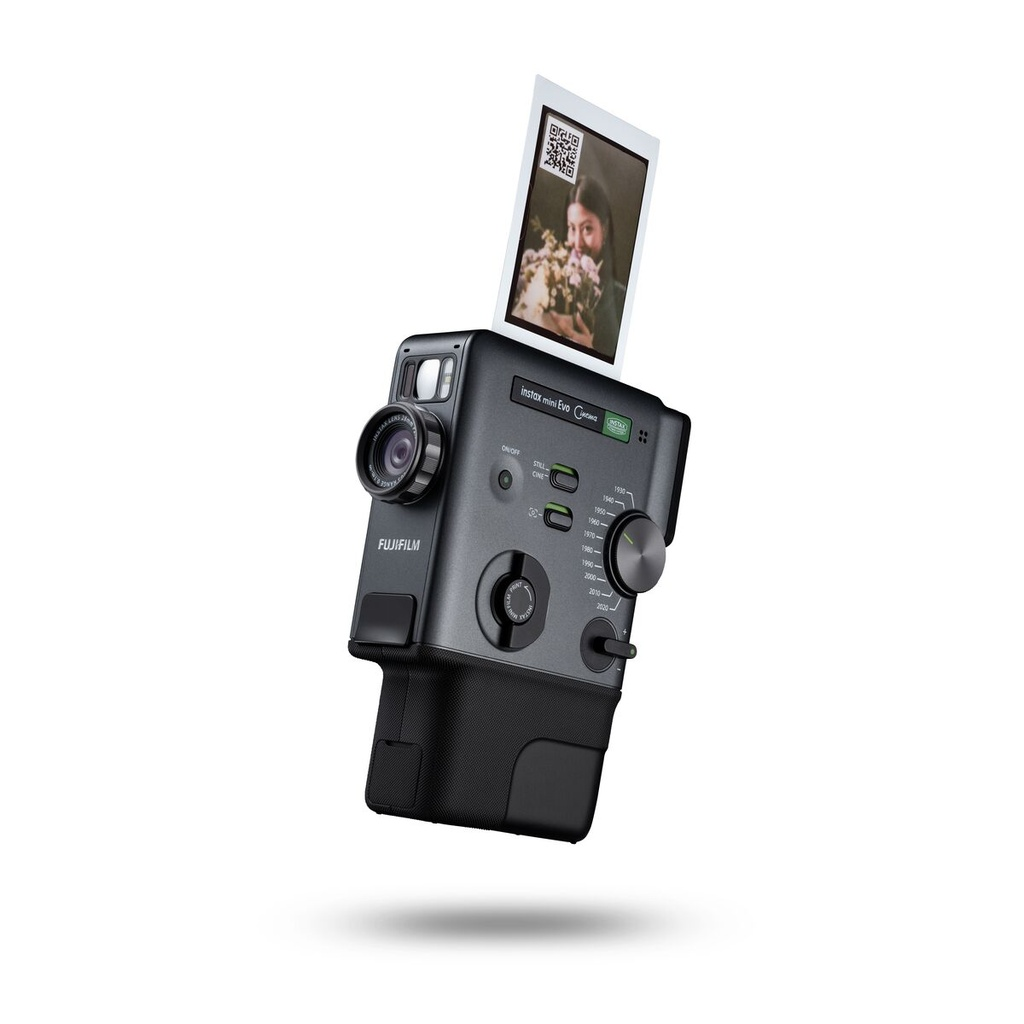
The biggest thing is that it has what can only be described as analog printing lock-in for cloud storage. Because when you shoot video clips, you can view and share them in the cloud. But you can only download them AFTER you print a photo on the device using a still from the clip. AND that photo has an obnoxious QR code on it. In some ways, I like the concept. You have something physical to share, give someone a physical reminder of a video. That’s kind of cool. But REQUIRING it before you can download your own media is… insane? It’s analog-gated DRM?
Yes, you can grab clips from an internal SD card. But then you lose the convenience fact one would want from “modern” hardware, even if it is vintage-inspired. If you have to copy off an SD card, why not just get a much cheaper vintage camcorder or point and shoot, shoot some lovely vintage crappy digital video, and do the same thing?
I totally get loving the look. The dials look really satisfying. The form factor is a delight. And some of the software touches don’t seem to be cheap filters. I applaud the audacity of the concept, but it doesn’t scratch my film nostalgia itch.
Great piece on what codeless looks like from Anil Dash. Interestingly, VoidLink malware seems to have been using this same methodology. Used an LLM to write out a dev roadmap, with a team of bots iterating on the code. Got a whole malware framework out in a week.
I’m sure there’s a lot behind this report about CEOs not seeing returns on AI investment. But one thing I hear over and over again on the CISO Series, no one actually has their data ready to fully implement these tools. No one knows what they have, who has access, or who is supposed to have access.
Meta lost an average of $488 per second on Reality Labs since 2020. Instead of the Metaverse, they could have just given away 157 million VR headsets.
I got off the waitlist to try out Rodeo and I realized I literally don’t remember what this app is supposed to do and it is not immediately obvious from the main UI of the app. Like local events of something? This is a sign that the waitlist was too long.
Tried a browser built by autonomous AI agents. On the one hand, the browser built on my Mac and ran. On the other hand, I only managed to get one page to render anything. It’s obviously still in development, and building a browser from scratch is no slight feat.
Finally getting around to reading The 18th Brumaire of Louis Bonaparte and Marx just drops “antediluvian colossi” in the first page.
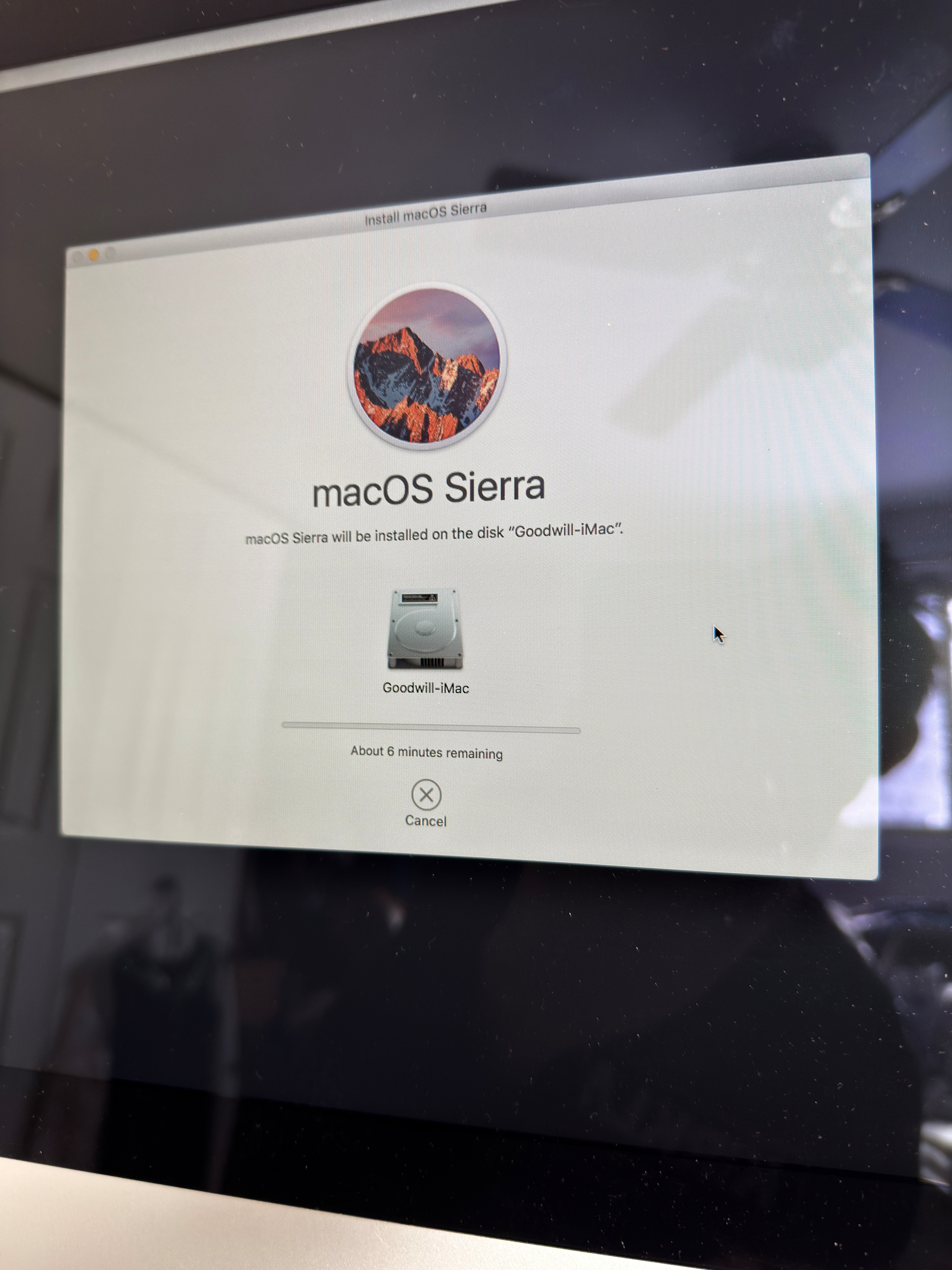
Finally getting macOS reinstalled on this 2017 Goodwill iMac. Was running into errors in the recovery mode because Apple evidently didn’t renew HTTPS certificates for the server with OS images and I had to go into terminal to get it to go over HTTP. Very weird
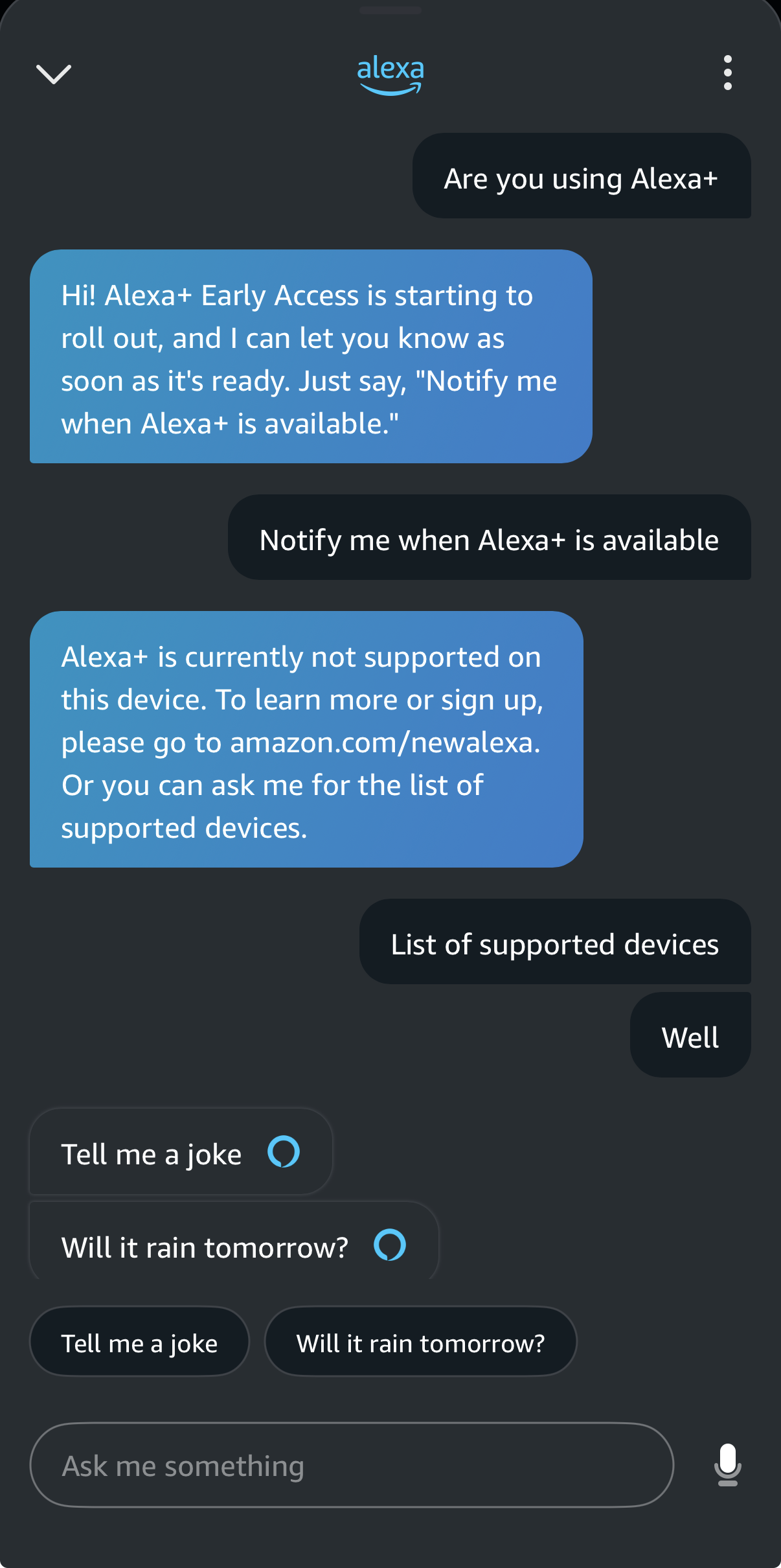
My favorite “state of technology” moment is when my Apple TV shows a notification to watch the last 5 minutes of the Bears-Rams game while I’m watching the Bears-Rams game
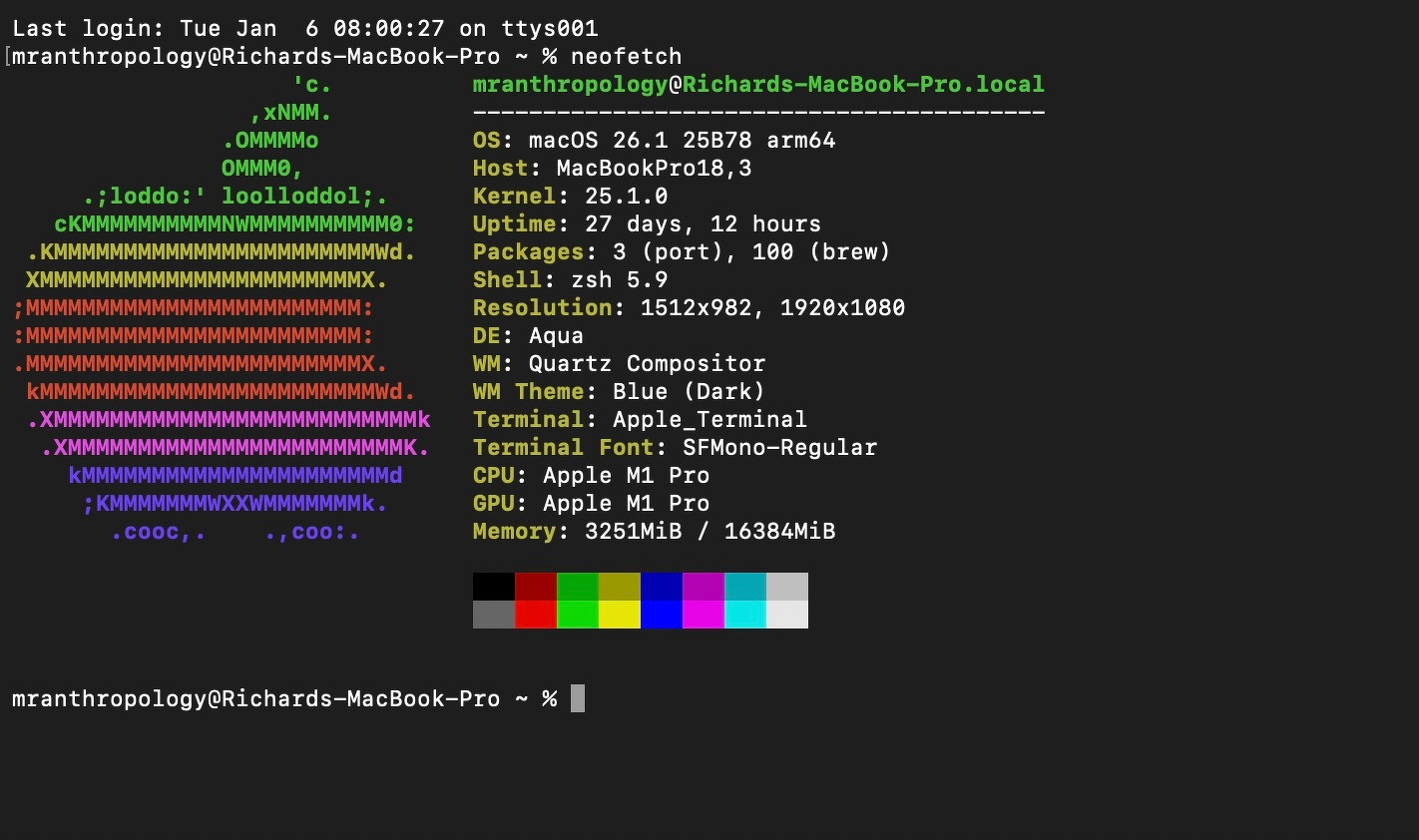
I don’t know why but every “I switched to Linux post” has to feature a terminal with neofetch output. I don’t mind it, it always looks neat. It’s just weird.
More Linux Love
I’m very much enjoying the Verge’s current lovefest for desktop Linux. One killer use I found for it is reviving an OG MacBook for FireWire capture. OS X ran fine on the old machine, but it was so out of date that I struggled to get a usable browser running on it. 32-bit Linux Mint (CPU on the old laptop was an original Intel Core Duo) ran great with up-to-date Firefox out of the box, and no problem connecting to my Wi-Fi. I was concerned FireWire capture might not be supported, but it worked great with no additional setup needed. Even found an easy command-line utility to automatically capture and clip clips from my miniDV camcorder.
Also Apple, can this mean you can relaunch Apeture? PLEASE??
10-years ago, I bought Final Cut Pro. It remains the best bargain in software. It’s been tied to my Apple account, updated with the latest features, and works great. Only a matter of time before subscriptions ate it on desktop. I fear we are here now with the Creator Studio bundle.
Half way through Stranger Things 5. Maybe just noticing it for the first time but I love the style contrast between the real world and upside down. By starting in the totally CGI world first, then goes to an actual location, it’s a really striking contrast in a way that works with the narrative
I’m only 2 episodes into Stranger Things 5 and the amount of 80s Koss headphones is my favorite part
I used Claude to add some custom CSS to this blog. Not perfect, but it understood the Win95-style assignment.
I recently remembered that Intel Optane was a thing for a minute. The shattered dream that was 3D Xpoint is now dead as a doornail. Intel discontinued this in 2022, right before the generative AI boom. But I forgot that Intel made a version of Optane for enterprise data centers that could fit into specialized DDR4 DIMMs, offering terabytes of capacity.
That got me thinking, did Intel discontinue something that allowed for ultra-high-capacity memory on a single system, just as everyone wanted as much memory as possible for AI inferencing? Isn’t that why people are buying maxxed-out Mac Studios, to run local models entirely in memory? Turns out… not really. In its latest incarnation, Intel could put a lot of capacity in Optane DIMMs, but the throughput was way too slow for anything we’d need for AI workflows, 40GB per second compared to 800GB on a modern Mac. So even with that capacity, the token output would be basically unusable.
I’m always fascinated by the technical road not taken. Optane goes on the glorious scrap heap with Transmeta CPUs and Foveon image sensors.
I hope this is just a temporary glitch, but sad to see the glory that is CES b-roll isn’t fully available. I need to see people looking at VCRs in 1993! https://www.cesbroll.com/archives/
The Verge’s Version History episode on AIM made me realize that AIM was probably the first browser-based app I ever used, through AOL QuickBuddy (I assume it was Java-based). Used it in my school library through the AOL Australia site to chat with friends.